Body care used to run on two parallel tracks that never touched.
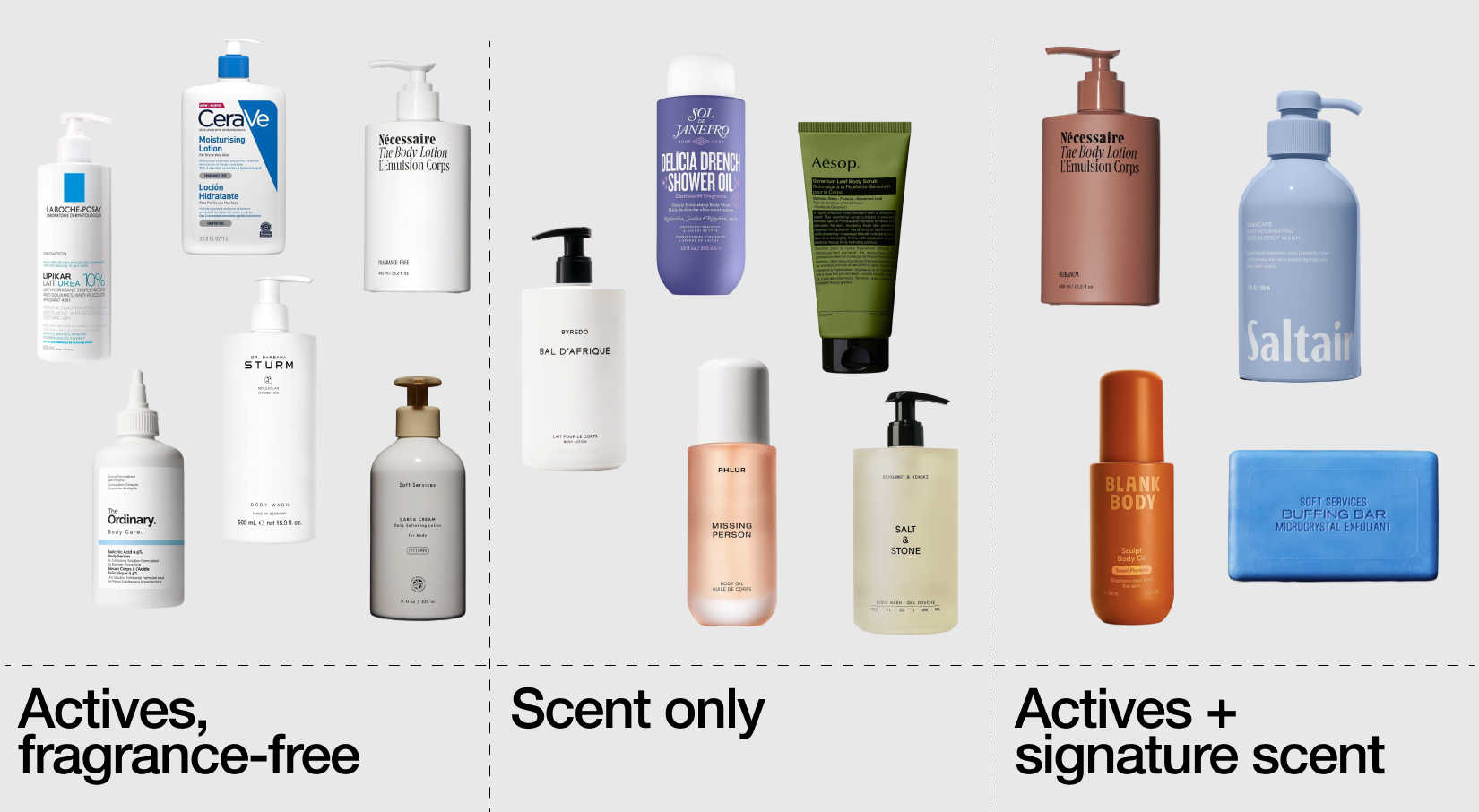
On one track, the clinical world. Ingredient-led, dermatologist-coded, deliberately scentless. Fragrance was the enemy here, an irritant, a cheap trick, the thing drugstore brands used to cover for weak formulas. The premium signal was restraint. White tubes, percentages, no smell.
On the other track, the scent world. Bath & Body Works, Lush, the body mist aisle. Pure pleasure, zero pretense of efficacy. Nobody bought a Warm Vanilla Sugar mist for its actives. They bought it because it smelled good, and that was the entire job.
In 2024 the wall came down. Clinical brands started bottling real perfume. Scent brands started loading in peptides and niacinamide. The new product does both at once, and markets both at once, and the customer no longer has to choose.
Here is why it matters, and why it is not going back. A commoditized active does not create loyalty. Niacinamide is niacinamide, glycolic acid does the same thing in a $12 wash and a $48 cream, and results below the neck are close enough across brands that people swap freely and shop on novelty. Scent behaves differently. A complex scent you have decided is yours acts like a perfume: you commit to it for years and rebuy without auditioning alternatives, because the alternative is not a similar result, it is smelling like a different person. Welded together, the active gives you a reason to buy and the scent gives you a reason to stay. Especially a high-end scent, not a simple coconut-vanilla.
Nécessaire: warned against scent, then bottled it
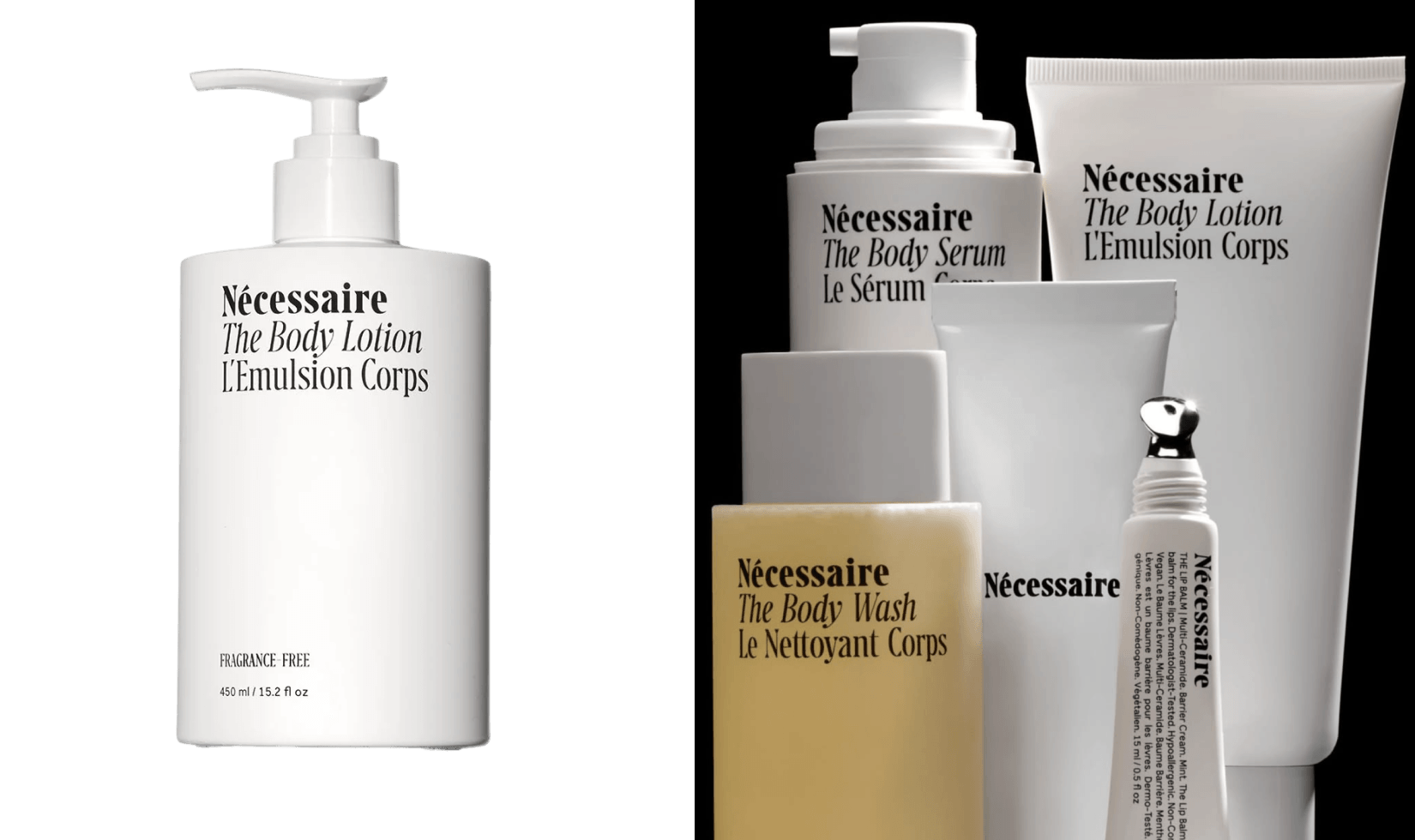
Nécessaire was the purest expression of the fragrance-free creed, which is what makes its turn the clearest proof of the pendulum.
The founders are beauty-industry insiders. Nick Axelrod-Welk co-founded Into The Gloss with Emily Weiss; Randi Christiansen spent fifteen years at Estée Lauder working on La Mer, Tom Ford and the flagship brand. They met in Los Angeles, two who joked about being the only people in the city wearing all black, and built the brand on one line: skin doesn't stop at the neck. It launched in 2018 with skincare-grade actives for the body and a deliberately minimal aesthetic.
And the no-fragrance rule was doctrine, stated outright. Christiansen explained that every product was synthetic-fragrance-free for two reasons: because it is easy for a formula to hide behind scent, and because many people can't tolerate fragrance on their skin.
Scent was where weak formulas hid. The whole brand was a rejection of the scent world.
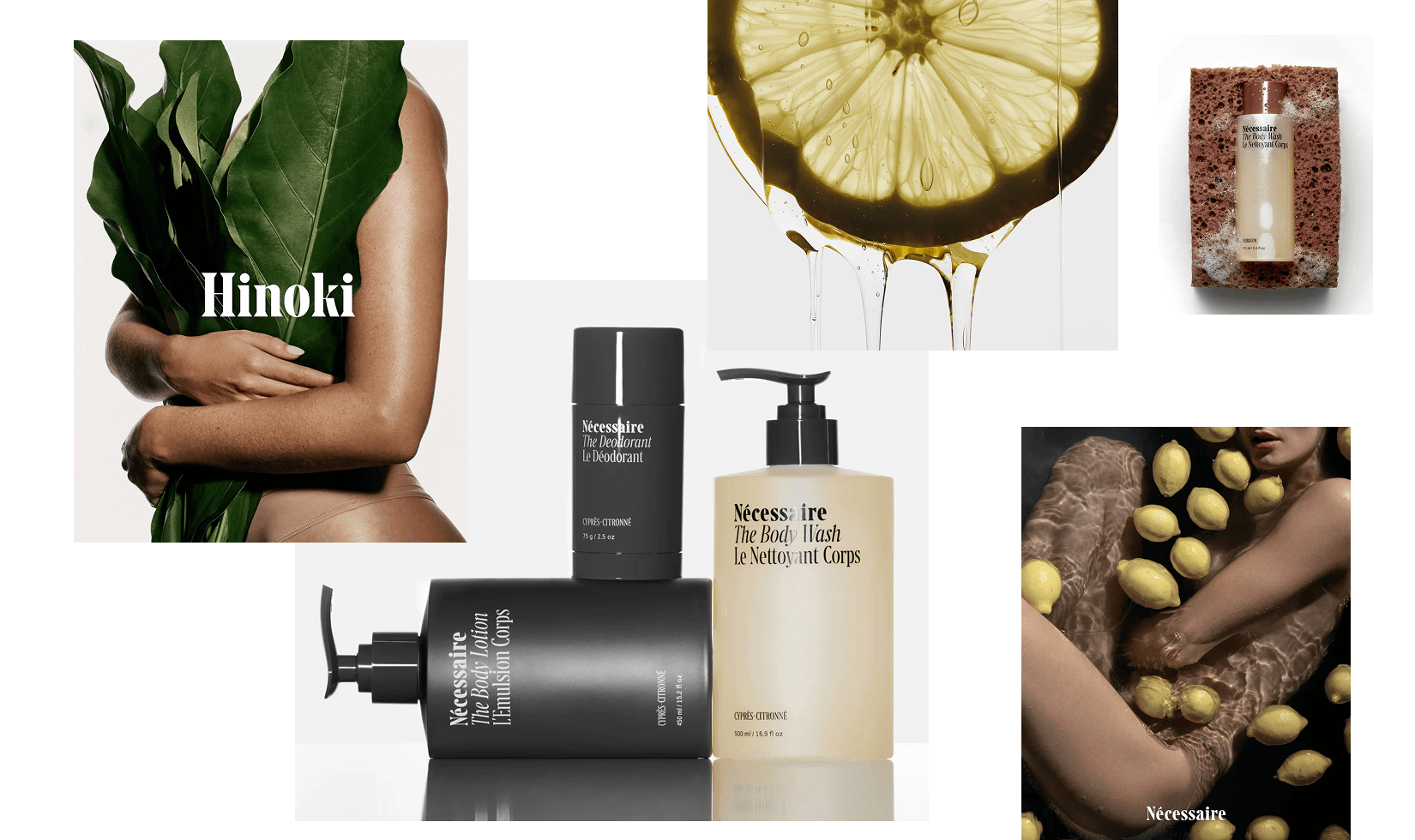
Then in 2024 Nécessaire launched leave-on body lotions carrying real niche fine-fragrance, five peptides and 2.5% niacinamide under notes like santal with black pepper and iris, plus eucalyptus, hinoki and olibanum. One reviewer said the santal wash lasted so long she skipped perfume all summer.
The brand that built its authority on having no smell now sells a body wash that replaces your perfume. It kept the fragrance-free version too, as the sensitive-skin base layer, so the same brand now sells both the old creed and the new one on the same shelf. That is the pendulum made literal.
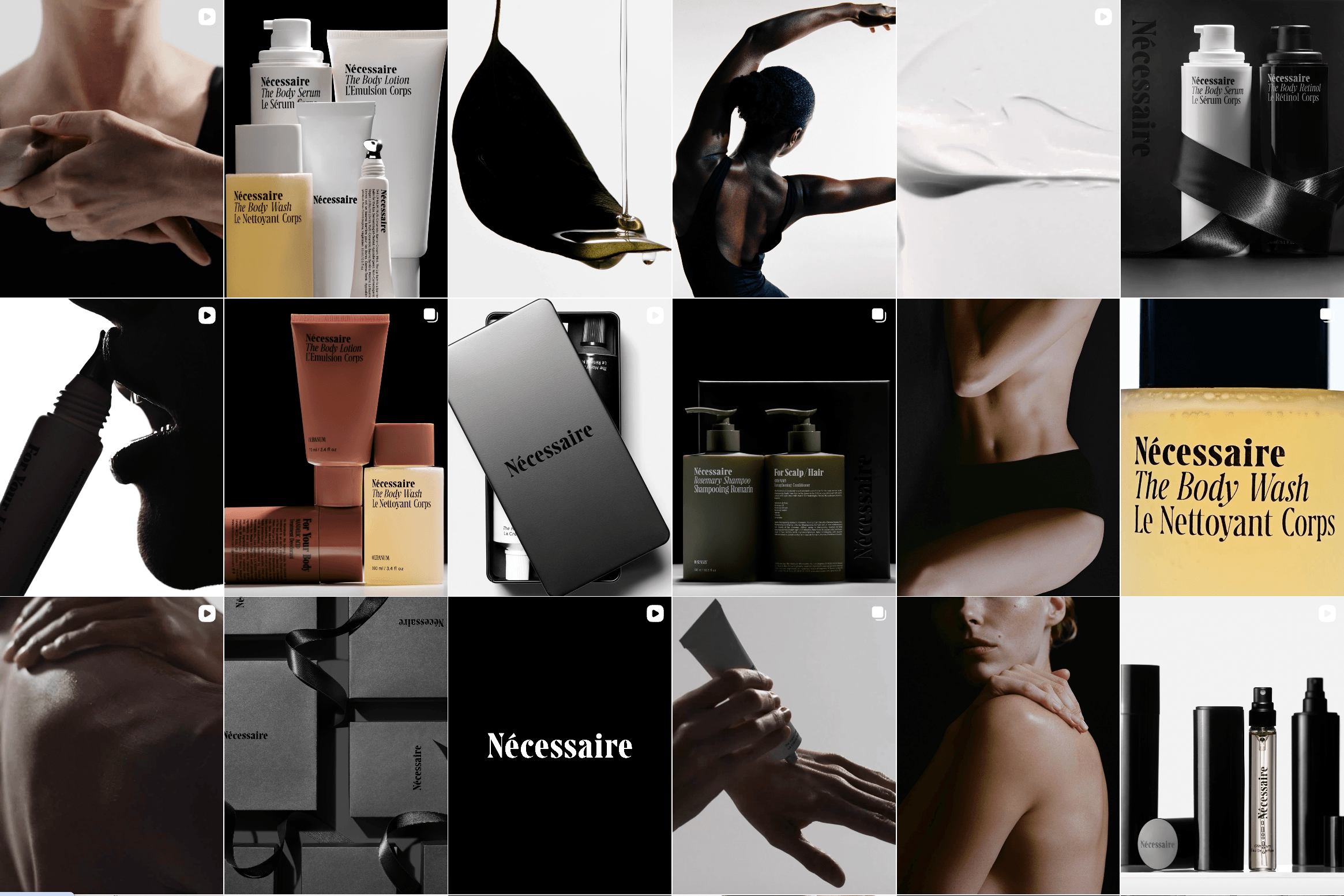
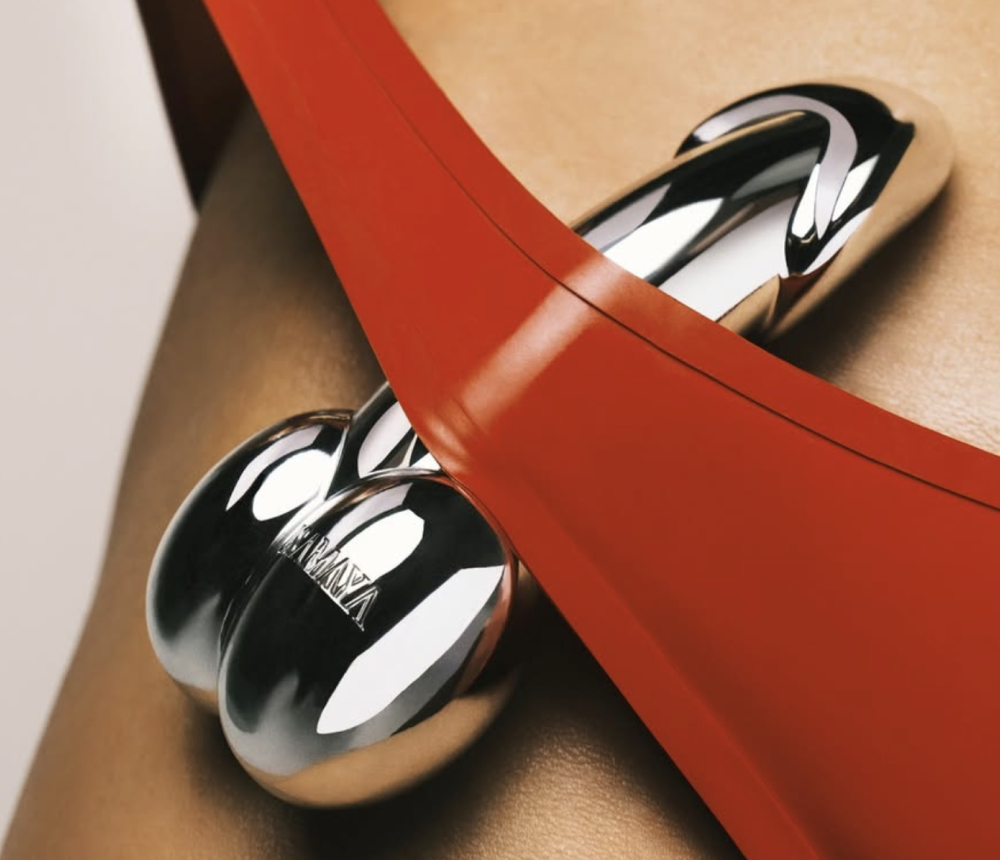
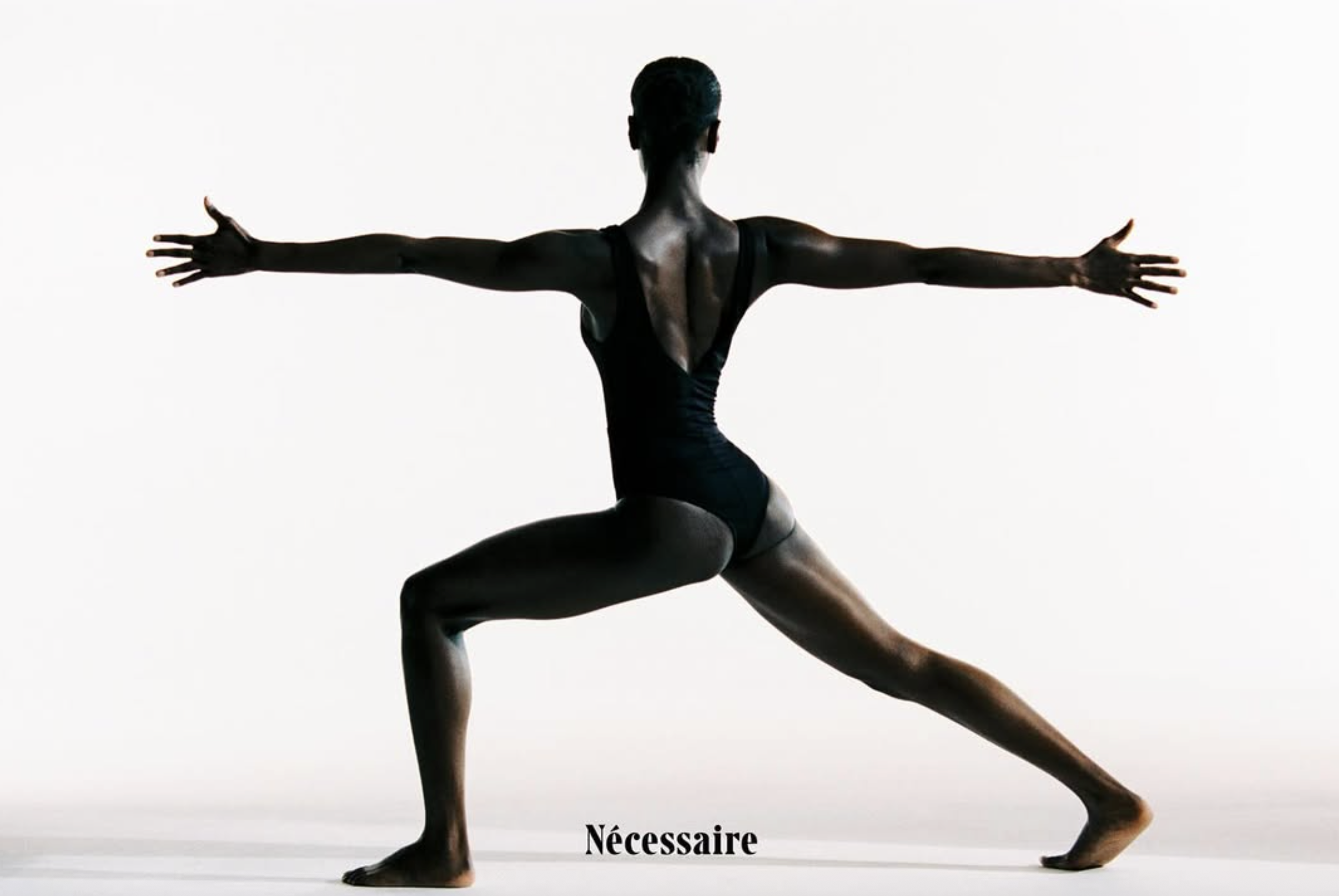
Now the design. French minimalism with strict typographic rules: everything aligned left, anchored to the upper and lower corners. Rules like these make a brand recognizable, and if held consistently, it becomes iconic. The content is art-directed the same way, the body treated as a piece of art. Not a one-off shoot, but a steady visual language that shows the brand's philosophy of the body without ever stating it.
Soft Services: skincare for the body
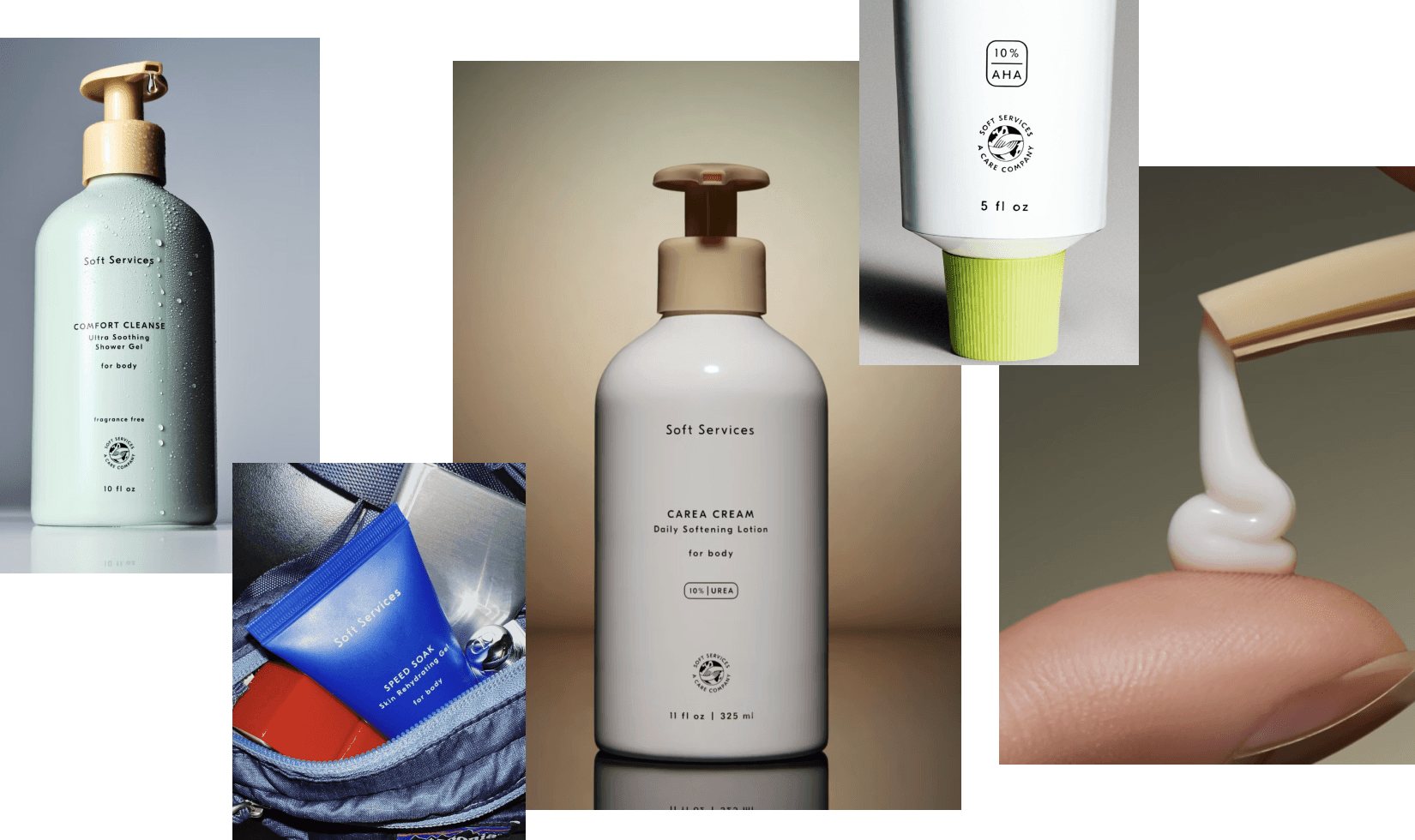
Every pattern needs the holdout that proves it, and Soft Services planted its flag firmly on the function side, on purpose.
It was founded in 2021 by two Glossier alumni, Annie Kreighbaum and Rebecca Zhou. The idea came from a personal and unglamorous problem: why are we 30 and still dealing with body acne? They launched on $3 million in seed funding, targeting the concerns nobody else would name, keratosis pilaris, which affects 40 percent of American adults, plus ingrown hairs and discoloration.
The point worth lifting is how Soft Services analyzed the category. It called body care overwhelmingly about hygiene, cleaning yourself, basic moisturizers, and built itself as the opposite. Function first. This is not your face's skincare, it is designed for body skincare specifically. Scent was beside the point, and for the original lineup launch it stayed minimal.
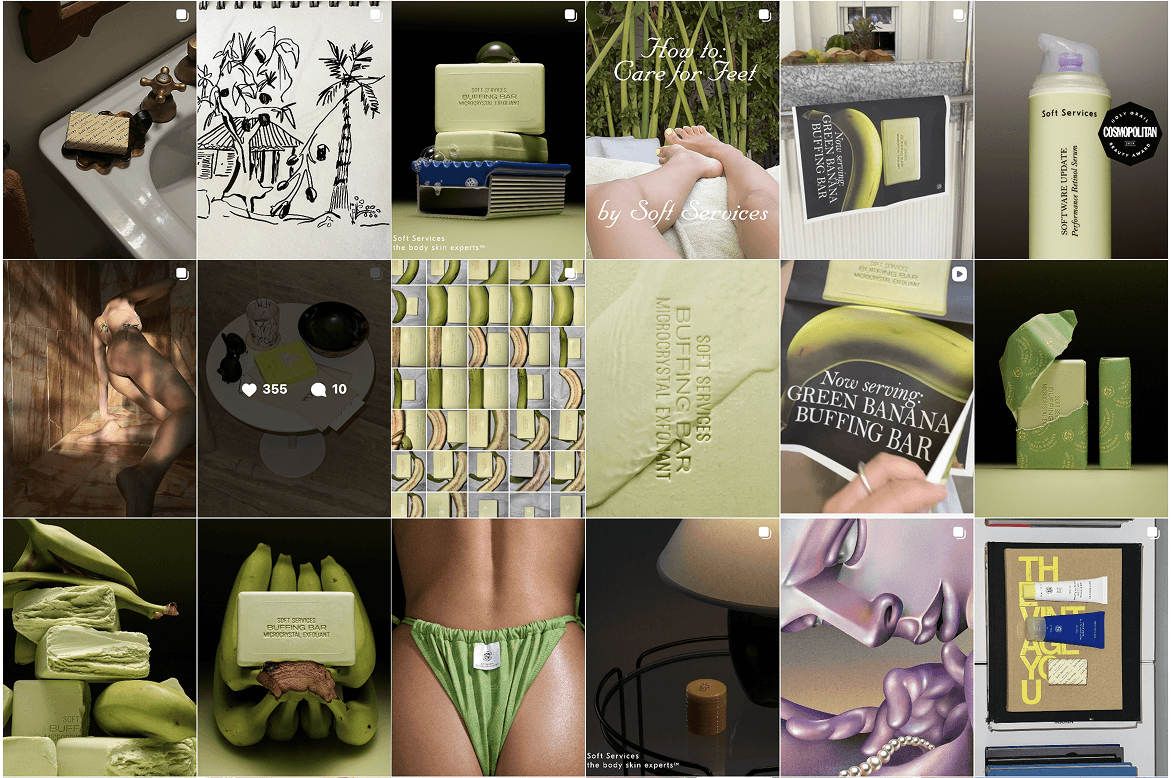
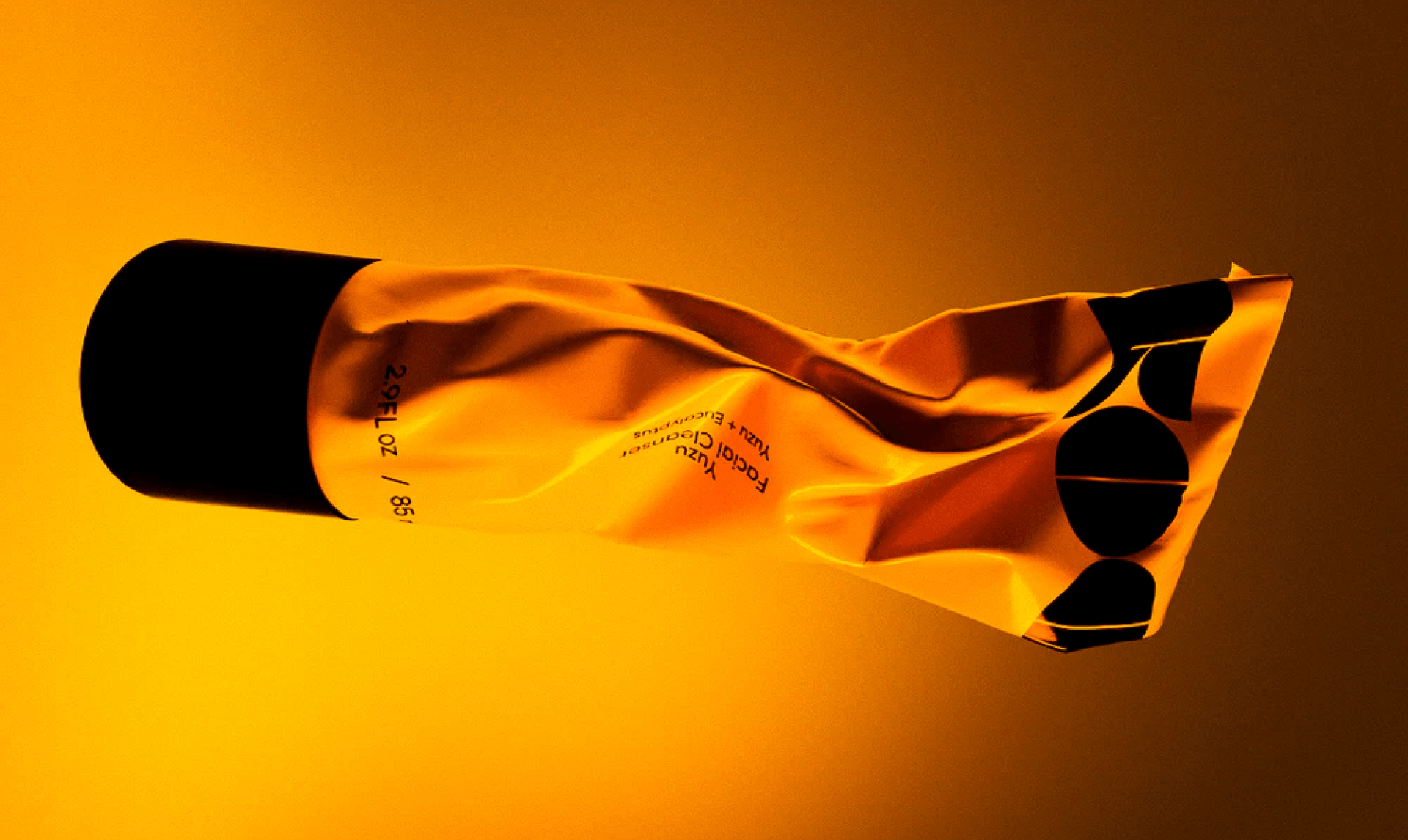
Then the fragrance dimension arrived, and it arrived as a whole world. Soft Services had held off on scent at launch, because fragrance can aggravate the exact conditions it was treating. Green Banana Buffing Bar marked one of the brand’s clearest fragrance-led moments, an entire universe built around one note, the kind you can almost smell through the screen. Active ingredient plus scent, sold as a feeling.
Then came the collaborations, for its first, Soft Services did not reach for vanilla or clean linen. It teamed with D.S. & Durga, the Brooklyn niche perfume house, scenting the bar with Debaser, one of its best-sellers, named after the Pixies song: ripe fig, iris, coconut milk, tonka and dry blond woods. Not a crowd-pleaser smell, a strange and specific one. That is the shift in a single product. Plain vanilla is the floor now, copyable by anyone and loyal to no one. A weird, narrative scent from a $75-a-bottle niche house is the thing customers chase and competitors cannot knock off, because you cannot reverse-engineer a story.
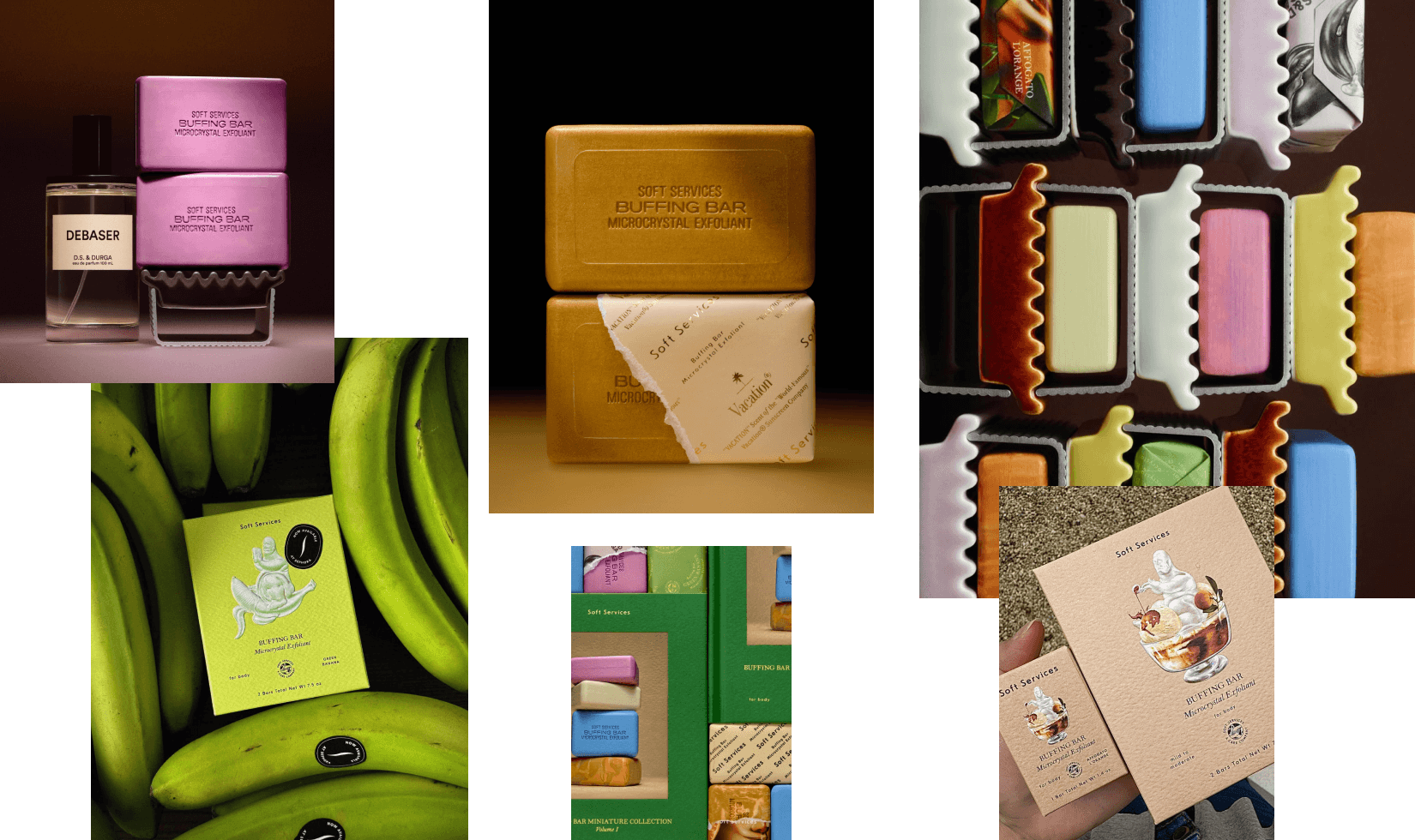
From a design perspective, each Soft Services product looks like a different object, not a different size of the same one with the logo in the center. The illustration leads, or the packaging idea leads, not the logo, and each new launch gets its own visual identity. That is fresh!
Sol de Janeiro: built on scent, now wants the science
If Nécessaire and Soft Service moved up from the clinical side, Sol de Janeiro is the scent side moving the other way, and discovering why scent alone is not enough to hold a lead. Especially a simple scent.
It started in 2015 with Brazilian Bum Bum Cream, a whipped body butter with caffeine and a warm, sweet pistachio-and-salted-caramel scent. The smell was simple by design, a gourmand everyone likes on the first sniff. What founder Heela Yang really sold was a place: Rio, endless summer, the ease and confidence of Brazilian beach culture. The naming did the work, Cheirosa, Bum Bum, Brazilian Crush, and the scent became the souvenir. The brand became enormous on the strength of that smell, but a smell built to please everyone is a smell anyone can approximate, which is exactly the problem it would run into later.
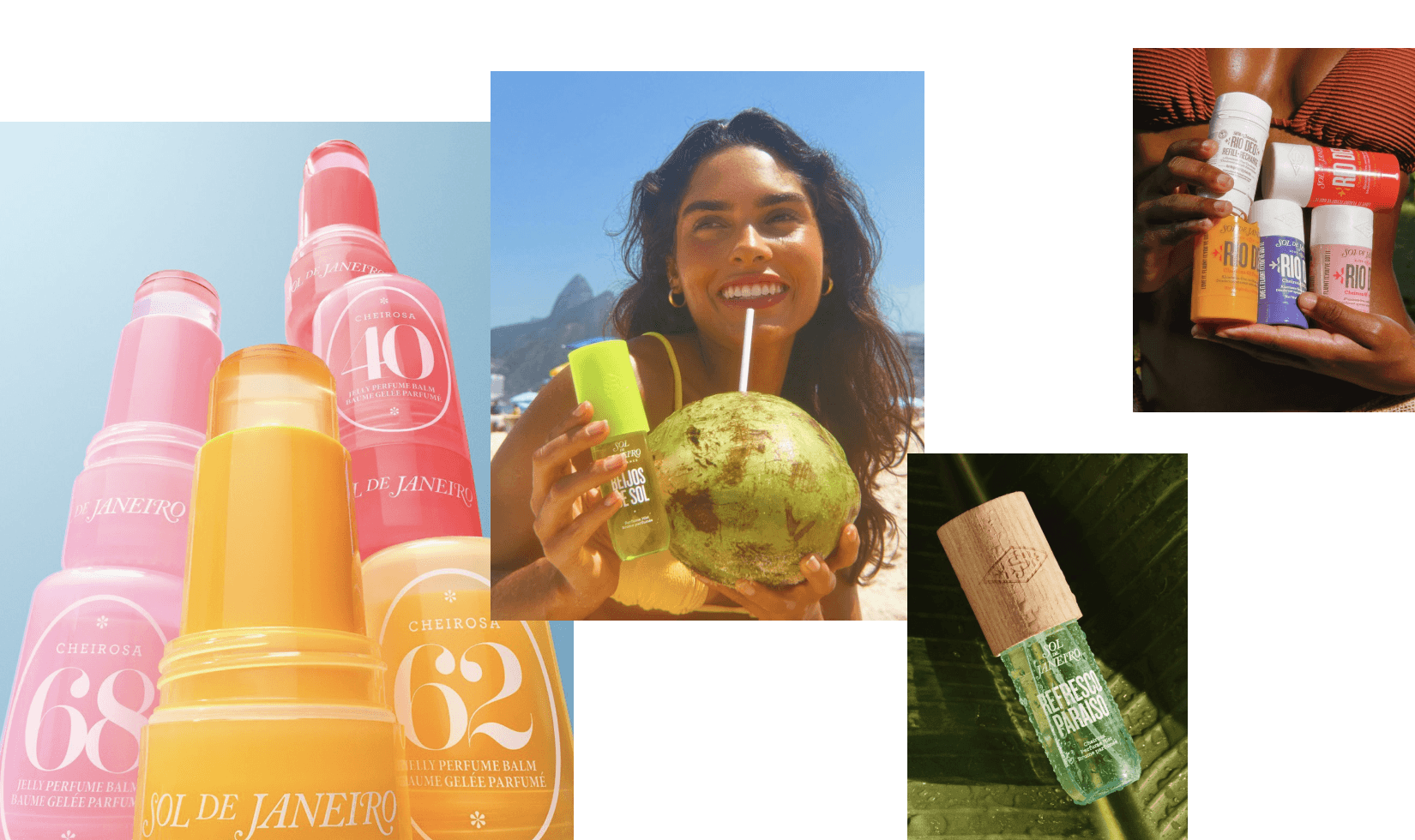
The numbers are staggering. The fragrance mists alone did $573 million in 2024 across Sephora, Ulta and Amazon, pushing the brand past $2 billion globally and prompting L'Occitane's $450 million purchase back in 2021. Mists grew to roughly 60 percent of sales, with the brand dominating the prestige body mist category.
The mist made the brand famous and made it loyal. It also made it copyable, and the scent itself is part of why. Sol de Janeiro's signature notes are warm, sweet gourmands, pistachio, salted caramel...the kind of crowd-pleasing smell built to be liked by everyone. That is exactly what makes it easy to reproduce. So Phlur, Kylie Cosmetics, Rare Beauty and even Adidas piled into the mist lane Sol de Janeiro opened. A scent everyone can love is a scent a lab can approximate, and once the category fills, the first mover loses its shelf advantage. Sol de Janeiro's US retail sales are down 14 percent this year after years of double and triple-digit growth, and the founder calls it a plateau.
The response is the lesson. The brand is pulling focus back from the mist toward body care plus scent, the harder thing to copy. The detail that proves the point: its Body Badalada lotion has long contained seven kinds of hyaluronic acid, and the brand simply never said so. The performance was always there, unmarketed, sitting under the scent. Now it is adding skincare claims to packaging and relaunching around fused function, including a $48 peptide body cream aimed back at its original over-30 customer.
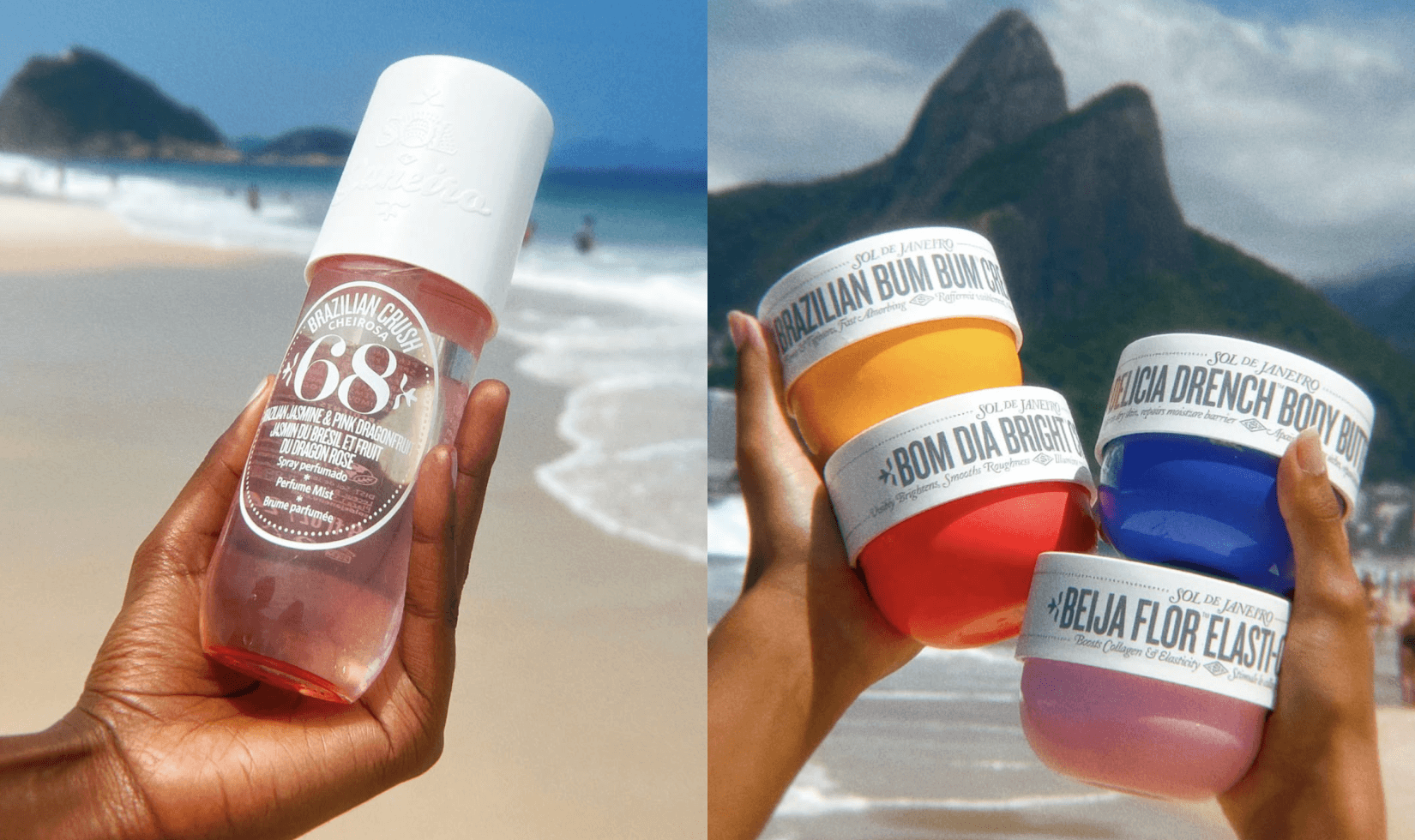
We'll be honest, we are not big fans of Sol de Janeiro, but it is worth noticing what stays distinctive even when the scent gets copied: the design signatures. The oversized cap, bigger than the bottle it sits on, is a simple, characterful move that competitors can imitate but never own, because it reads as Sol de Janeiro on a shelf from across the aisle. That is the quiet lesson hiding inside the loud one. A scent can be approximated in a lab. A world, a name, a silhouette on the shelf cannot, at least not without looking like a copy.
If your scent is your only differentiator, you are renting it. The defensible version bonds the scent to performance the customer cannot get elsewhere in the same bottle, and wraps both in a brand world and a shelf presence that are yours alone. Sol de Janeiro built the empire on the easy half and is now retreating to the hard half to defend it.
Saltair: one scent, the whole shelf
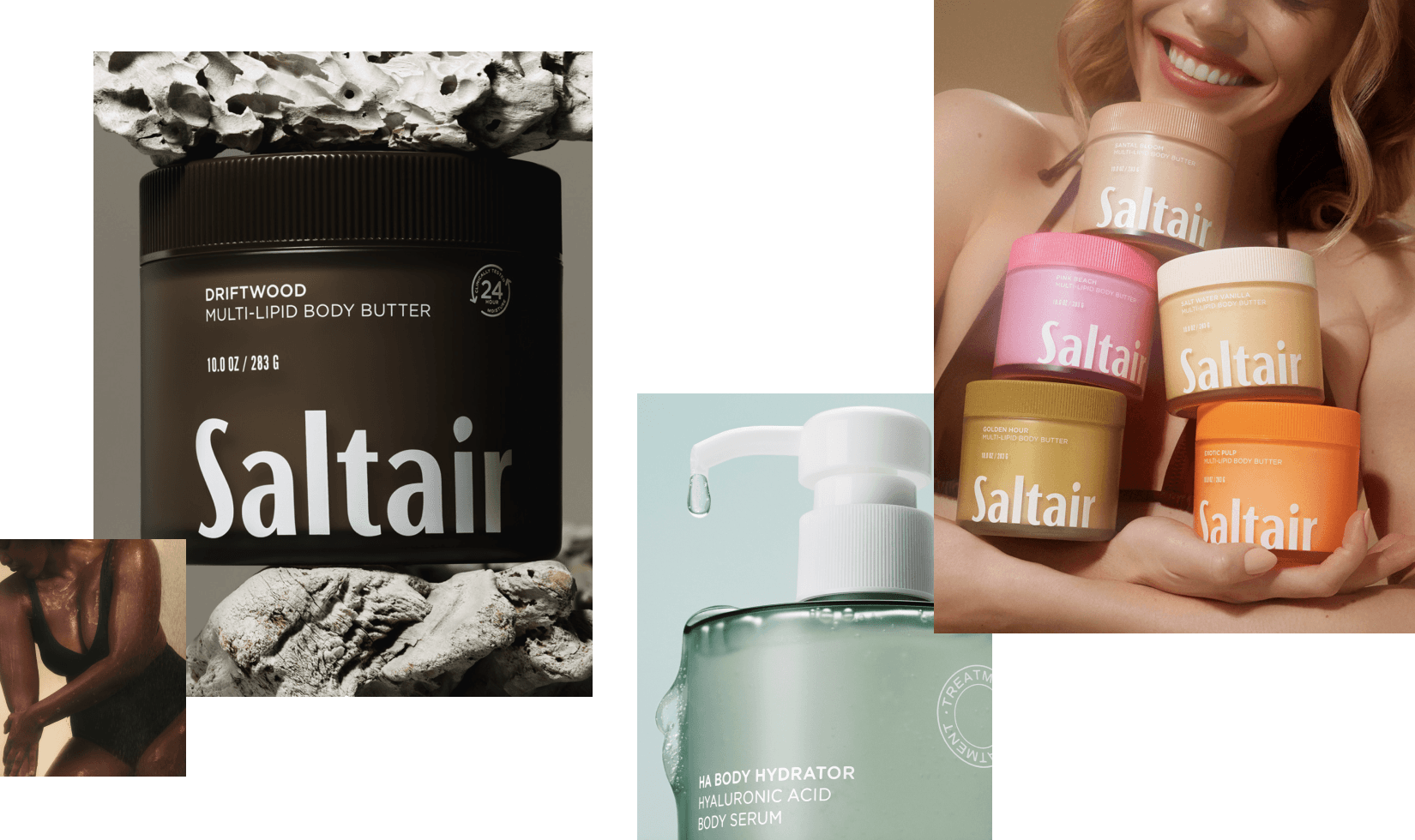
The brand was created in 2022 by model and body-positivity advocate Iskra Lawrence with the Los Angeles incubator The Center, founded by Ben Bennett, a veteran of Bath & Body Works and L Brands. They launched direct-to-consumer with serum body cleansers at around $12, made with skincare active ingredients and beach-inspired botanicals, in seven options including a fragrance-free one. The same incubator also runs Phlur, Naturium and Make Beauty, building deliberately across the whole scent-and-function spectrum.
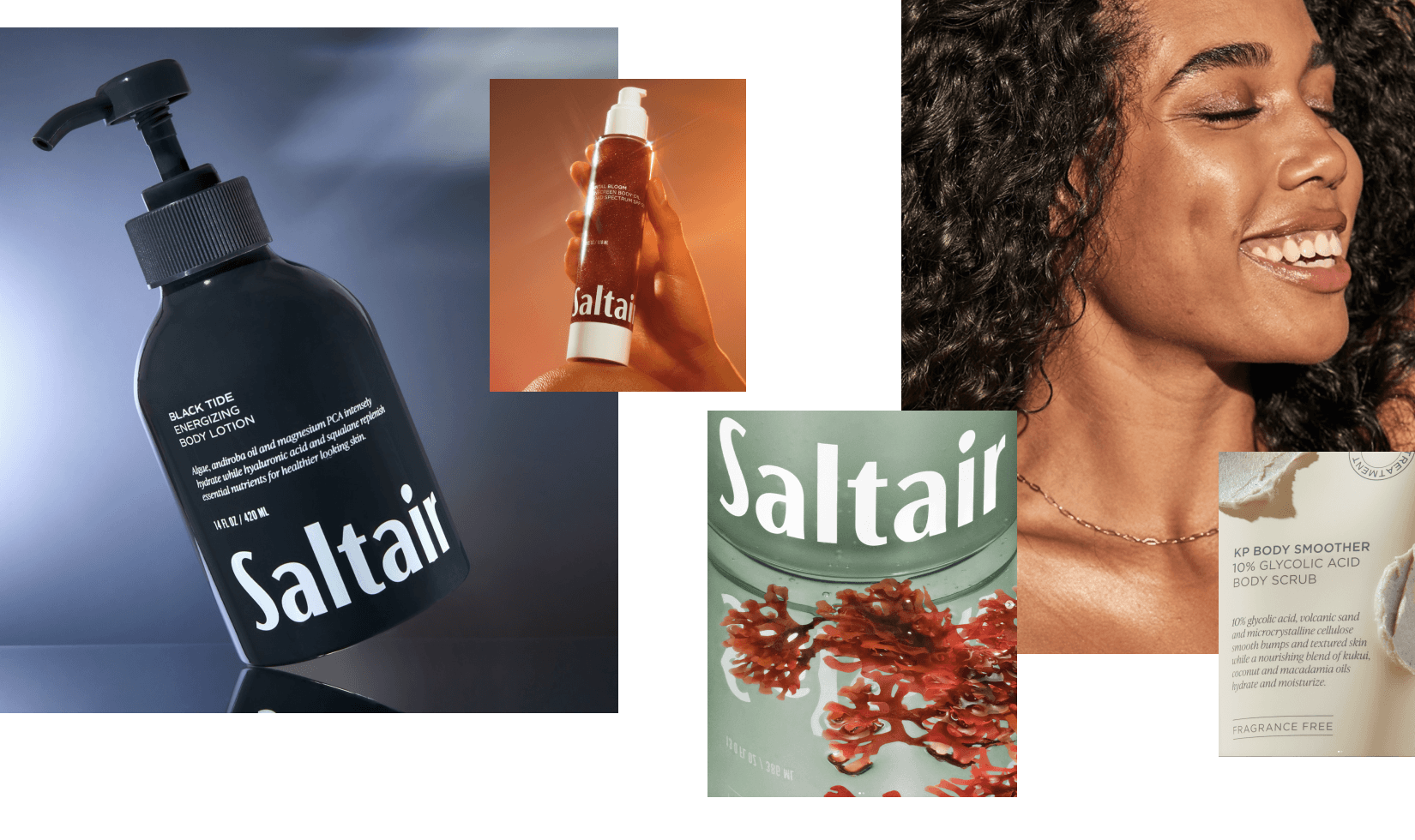
Now the retention proof, in the brand's own data. The Santal Bloom-scented body wash is consistently the number one seller and accounts for half of all body wash sales. People are buying Santal Bloom. Better still: when Saltair launched a deodorant in a scent called Seascape, customers started demanding the body wash and lotion in that scent too. They found a scent they loved and chased it across every format the brand makes.
This is where the real lock-in lives. The winning combination is the bundle: deodorant plus lotion plus wash in one scent. Once someone loves the smell, they do not buy a single product, they buy the set. And then they are committed in a way a single purchase never achieves, because running out of one means repurchasing the same scent to match the other two they already own. You are not loyal to a lotion. You are loyal to a scent you have now bought three ways, and switching means replacing all of it.
Blank Body: corrective care for fragrance lovers
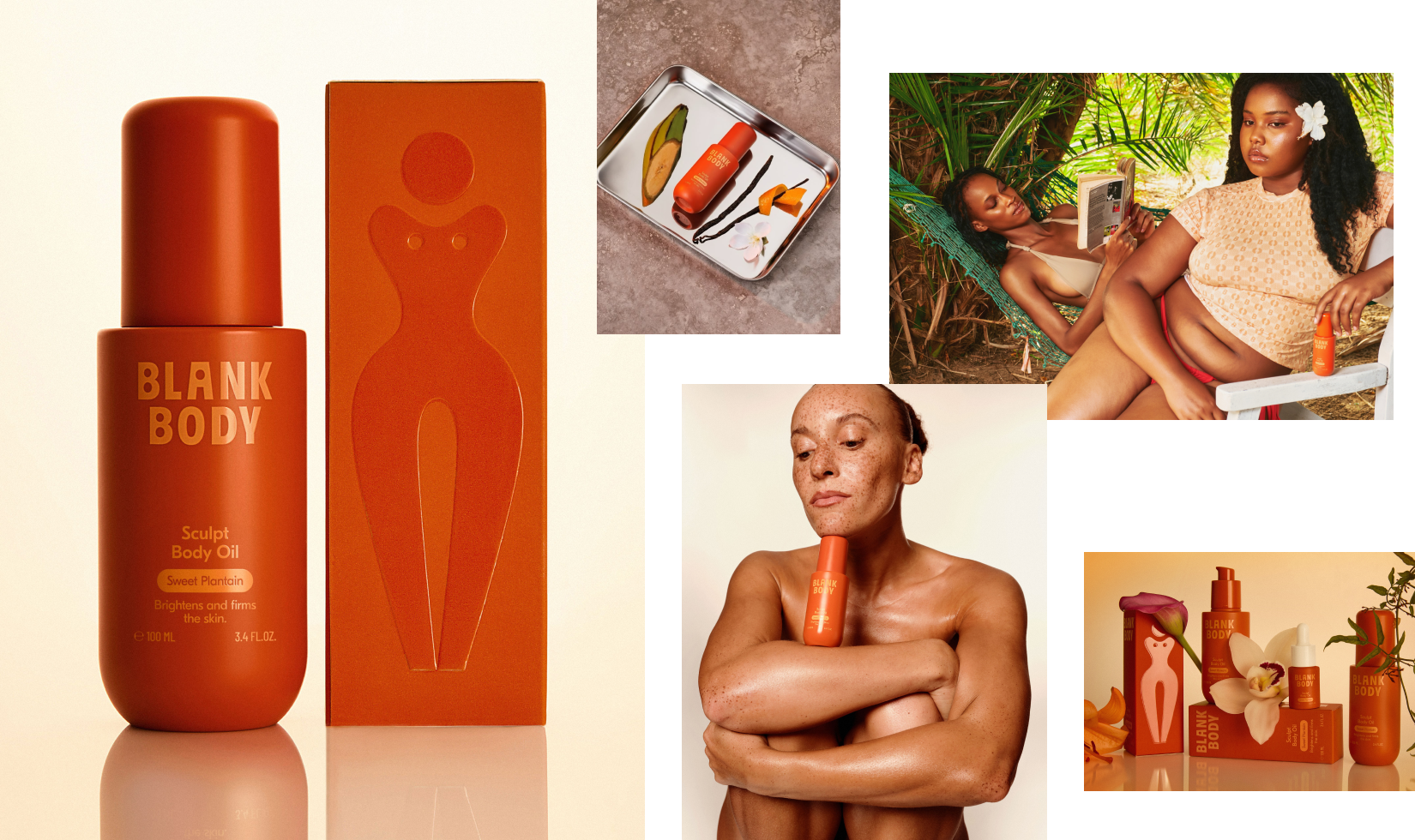
Blank Body states the merged premise in its name and tagline: corrective bodycare for fragrance lovers. Its hero Sculpt Body Oil is built for visibly sculpted skin, a firming claim, but sold on its scent: Sweet Plantain, a transportive summer note of caramelized plantain, golden mango and sun-warmed florals. The function is the reason to buy. The scent is the reason to stay. The same structure as everyone above, except here it was the starting point, not a pivot.
Founder Princess Adaeze Ebi launched the brand in 2025, positioned to compete in a premium market dominated by clinical austerity. Worth saying plainly: we built its brand identity, so treat this as a brand we know from the inside rather than one we observed from outside.
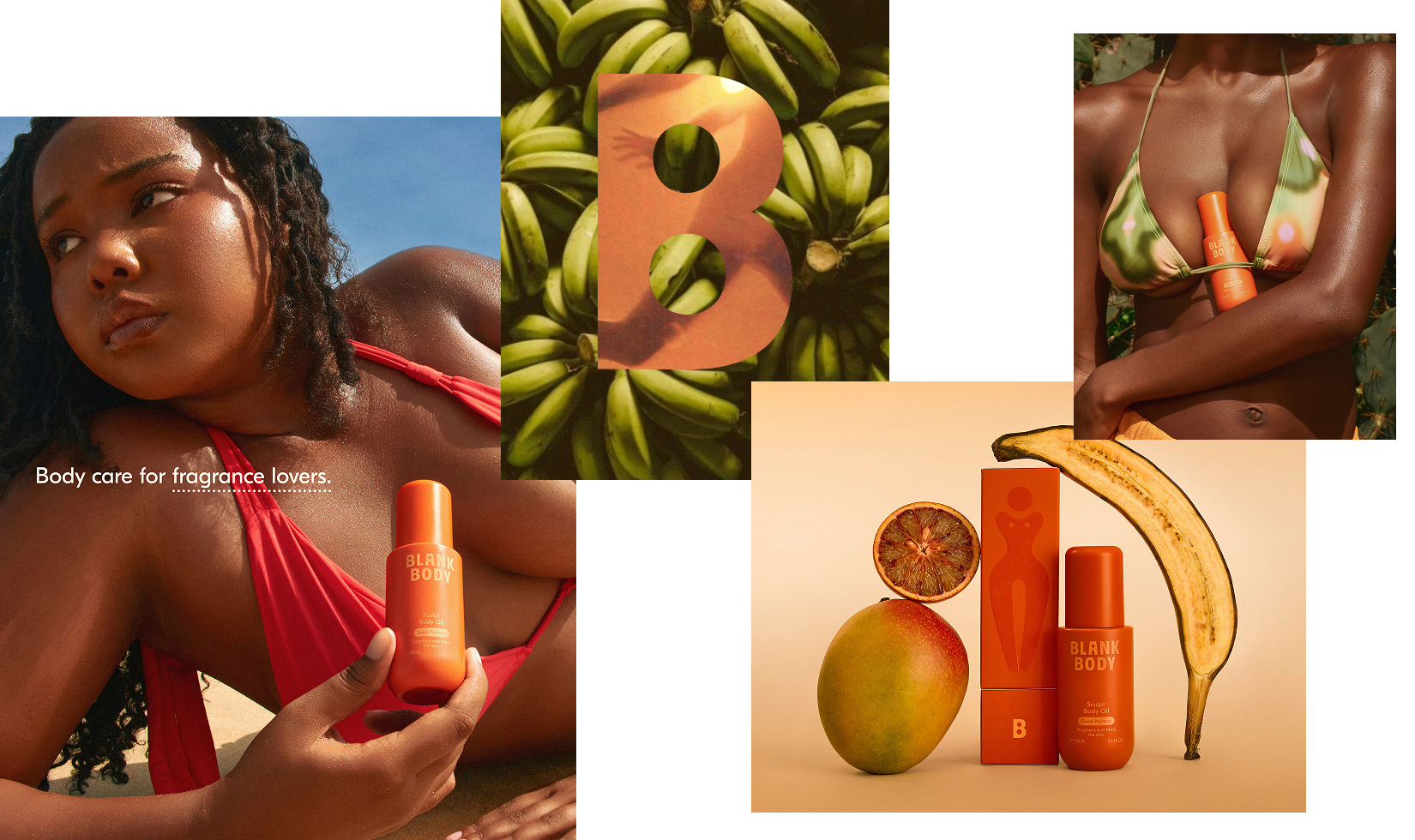
The reviews show the scent doing the retention work in real time. Customers apply it at night and still catch the scent the next morning. That is perfume behavior, the longevity and the recognition, attached to a product that also claims to firm. You are buying a firming oil that smells like a memory you want to keep. Warm, sunlit, somewhere tropical.
And the world around the product is built with the same intent as the scent. The palette is rooted in warm brown and orange, the glow of golden hour on bare skin. The color does conceptual work too: every piece of information on the bottle is printed in a single color but across different hues, so the surface reads tone-on-tone, reinforcing the sense of blankness and purity the name promises.
Blank Body matters because the fusion is no longer a clever pivot for an established brand. It is now a foundation solid enough to start a company on. When the merged model becomes the obvious premise for a new entrant, the pattern has stopped being a trend and become the baseline.
Category intelligence:
The wall between effective and pleasurable is gone, and the economics will not rebuild it. Actives are commoditized and getting more so. A plain scent gets copied too, as Sol de Janeiro learned. What does not get copied is the whole package: a distinctive scent welded to a formula that performs, wrapped in a brand world that is unmistakably yours. The brands that last will not be the ones with the best niacinamide percentage, which anyone can match, nor the ones with the nicest smell, which anyone can approximate. They will be the ones where the scent, the results and the world only exist together, in their bottle.
The forward edge is already visible in Saltair's data and the wider layering boom: the body is becoming one more surface in a personal scent wardrobe, alongside the perfume and the hair. The brand that owns a deep, coherent scent world, fused to formulas that perform, does not lose that customer to the next launch. It becomes the launch they keep coming back to. Build the science so they try it. Build the scent so they stay.
June 16, 2026